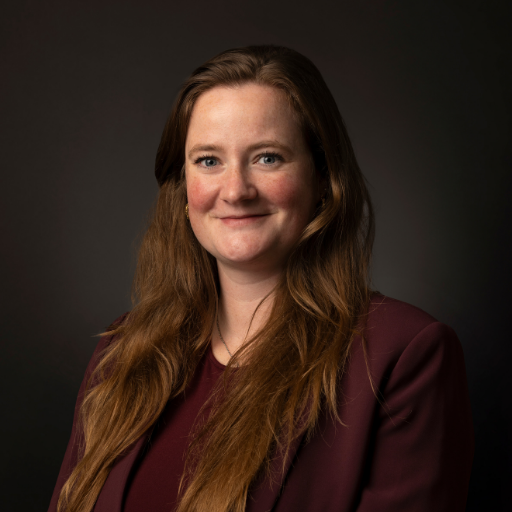
What hydrogen startups Spiral Hydrogen and HyER Power learnt at YES!Delft
“No hydrogen startup should have to go it alone”, says Moshe Sijben, Head of Strategic Partnerships at tech startup incubator and accelerator YES!Delft. Together with Fedor Stomakhin, COO and co-founder of Spiral Hydrogen, and Mohammed Hussein, co-founder of HyER Power, Moshe discusses the power of community.
This is part III in our series ‘Hydrogen in practice’, highlighting startups, fieldlabs and hubs in the region. Read the first parts here about FLIE and FlowVolta & Hymonic & SubZero Rotterdam.
A good idea does not make a business
Spiral Hydrogen is developing a bubble-free electrolyser that produces green hydrogen from water. Its patented technology prevents energy loss caused by gas bubbles and achieves an efficiency of more than 90 per cent. That makes it ideal for companies such as HyER Power, the developer of PHIAB: Power + Heat in a Box. This hydrogen-based CHP system supplies heat and electricity where grid congestion makes conventional electrification difficult. Although the two startups occupy different niches in the hydrogen chain, they face the same challenge: how do you turn a promising idea into a scalable business?
“The technology behind HyER Power was strong, but that alone did not make it a business”, says Mohammed. “We needed to test our ideas and translate them into the real world, and we required help with that.” Estonian-Dutch startup Spiral Hydrogen moved to Delft in 2025, already in possession of a functional prototype. “Even at that stage, there was still a long way to go”, says Fedor. “You need a network as well as practical support and market input.” For both founders, the search for the right growth environment led them to incubator YES!Delft.
“YES!Delft helps tech startups find their way in the Dutch hydrogen ecosystem”

The spider in the hydrogen ecosystem web
“YES!Delft gives startups access to the knowledge and the network they need to find their way through the Dutch hydrogen ecosystem”, explains Moshe. He describes the organisation’s role as the spider in the web. Its validation programme helps early-stage startups test their ideas in practice, while the accelerator offers support to more mature startups in areas such as funding, talent and growth for a minimum of five years. But the support YES!Delft offers goes beyond these programmes. “Long-term relationships matter in deep tech, because developing a product and taking it to market simply takes time”, says Moshe.
“We knew about YES!Delft through our co-founder Saul Oost, who is a TU Delft alumnus”, recalls Mohammed. After a few introductory conversations, HyER Power rented a workspace in the YES!Delft building, joined the validation programme and gradually became part of the network—or the family, as Mohammed describes it. Spiral Hydrogen has a similar Delft connection: co-founder Juri Volodin is a university alumnus too, with a strong local network. He and Fedor explored several incubators in the Netherlands but chose YES!Delft, mostly because of the accelerator and the additional support. It was exactly what the company needed at the time.
Community is crucial
According to Moshe, the tech incubator carefully selects the startups it supports: “We are looking for scalable tech or deep tech companies with at least two founders and real potential to grow into category leaders.” This has resulted in a vibrant community of more than 550 startups. Some 83 per cent of accelerator participants remain active and 95 per cent have secured funding. Successful entrepreneurs remain involved in the community as mentors or investors. Mohammed says that is crucial: “Startups like ours cannot do without that kind of community.” Moshe adds: “It’s hard enough to start a business as it is. A little help along the way makes all the difference.”
“Working with competitors does not mean you get less. The cake is big enough for all of us”
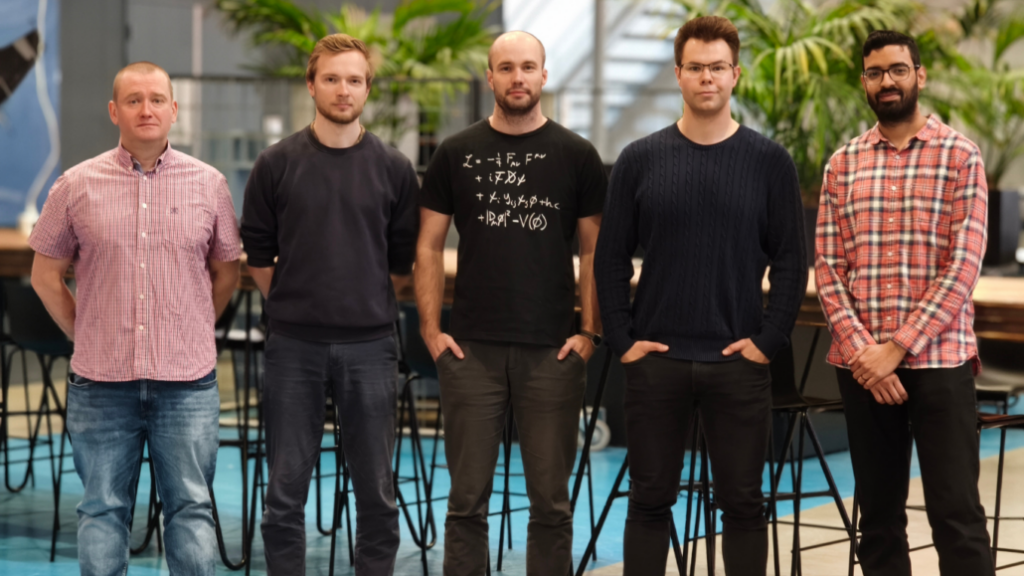
It requires an open mind, stresses Mohammed: “Keep testing your assumptions and be willing to change course if necessary.” Fedor agrees: “If more experienced people challenge your assumptions, you have to accept it and learn from it.” Collaboration, even with potential competitors, can create significant value. “Working together does not mean you get less. The cake is big enough for all of us”, says Mohammed. “All parties in the hydrogen chain must work together on interoperability. That way, we build a stronger supply chain and reduce the need for one-off solutions”, adds Fedor.
A legal, commercial and strategic minefield
Both founders also value the hands-on support they receive. “You suddenly have to deal with complex issues like intellectual property and contracts”, reflects Fedor. “You know what they mean on paper, but you don’t yet understand the practical risks.” Patents are a good example. “I had always assumed that a patent keeps your technology safe. But it only protects you if the legal and commercial details are handled properly, and that’s very complex.”
The YES!Delft advisors and mentors guided Spiral Hydrogen through this legal, commercial and strategic ‘minefield’. This kind of support is especially relevant to hydrogen startups. The market is slow to mature, and startups often have to prove their technology quickly and on limited budgets. Infrastructure, pricing and policy are all still taking shape, while young companies have to show enough progress to keep investors and partners on board. In such a complex and fragmented environment, practical support from organisations like YES!Delft and InnovationQuarter can make a real difference.
“Learn from the people that have been there and done it”
Learn from other startups’ mistakes
Fedor and Mohammed are both keen to pass on what they have learnt to the next generation of startups. Fedor refers to a point made earlier in the conversation: “Learn from the people who have been there and done it. Be open to criticism and prepared to change direction when reality proves you wrong.” Mohammed adds: “Keep looking ahead and don’t give up. The ecosystem is not made up of potential competitors but of potential partners. Collaboration can help the whole market grow.” For Moshe, that is exactly where YES!Delft comes in: helping startups learn from mistakes others have already made.
Over the coming years, HyER Power wants to move from one large-scale pilot to several fully operational PHIAB modules. Spiral Hydrogen plans to move to Rotterdam to be closer to its industrial pilot in the Port of Rotterdam. Both founders want to stay involved with YES!Delft. “Their network remains hugely valuable to us, not just for knowledge and advice but also for visibility, credibility and access to the ecosystem”, concludes Fedor. Moshe says the feeling is mutual: “Our role is changing but not ending. As long as we can be of help, we will be.”
Does your startup have an innovative and scalable technology and a clear business idea? Get in touch to see if YES!Delft is the tech incubator for you.